
Coconut Water Isotope Analyzer — Proving Authenticity with Carbon Isotope Ratios
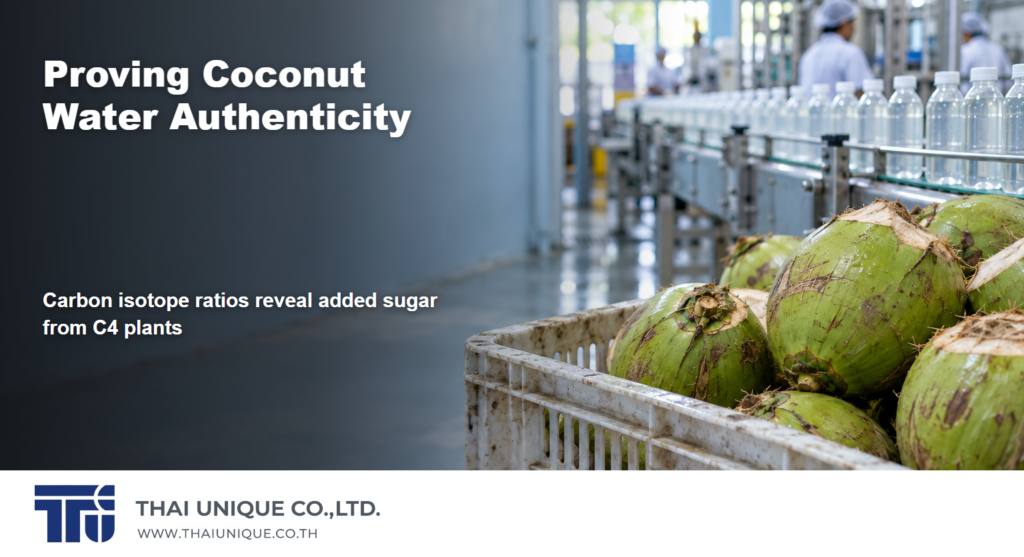
Coconut water exporters often hear the same question from buyers in their destination markets: how can you prove that a product labeled as having no added sugar really is what the label says? Sugar isotope testing of coconut water is how this question is answered. The answer used internationally is carbon isotope ratio measurement. This […]
What Are Greenhouse Gases, How Many Types Are There, and Which Instrument Do You Need to Measure Them?
Greenhouse gases are gases in the atmosphere that absorb and emit infrared radiation. This traps part of the heat instead of letting it dissipate. For organizations that must report emission figures, the definition is only the start. The next question is how to get those figures: use default values that others have already calculated, or […]
PFAS in Food Packaging — EU Rules Now Apply: How Labs Must Measure to Cover the Limits

Before we start, one point needs to be clear. The rules in this article are EU rules, not Thai law. Thailand does not yet have legal requirements on PFAS, as we wrote in our September article. What has changed is that Thai exporters shipping packaged goods to the EU market must comply with these rules […]
Factory Effluent Standards: Which Parameters to Report and How Each One Is Measured
Factories that must report effluent quality face the same questions every year: which parameters are worth running in their own lab, which should be sent out, and where automated analyzers can actually help. This article does not set out to copy the table of standard limits for you yet again, since it is easy to […]
Instrument Calibration and Maintenance in Thailand: How Often, and How to Choose a Service Provider

Analytical instruments in the laboratory are generally calibrated at least once a year. Their performance should also be checked between calibrations (intermediate checks) with reference materials at regular intervals, because an instrument that passed calibration 6 months ago may already be giving drifted results before the next calibration is due. There are three questions to […]
Requesting a Quote for an Automated Water Analyzer: What to Provide and Why Prices Differ
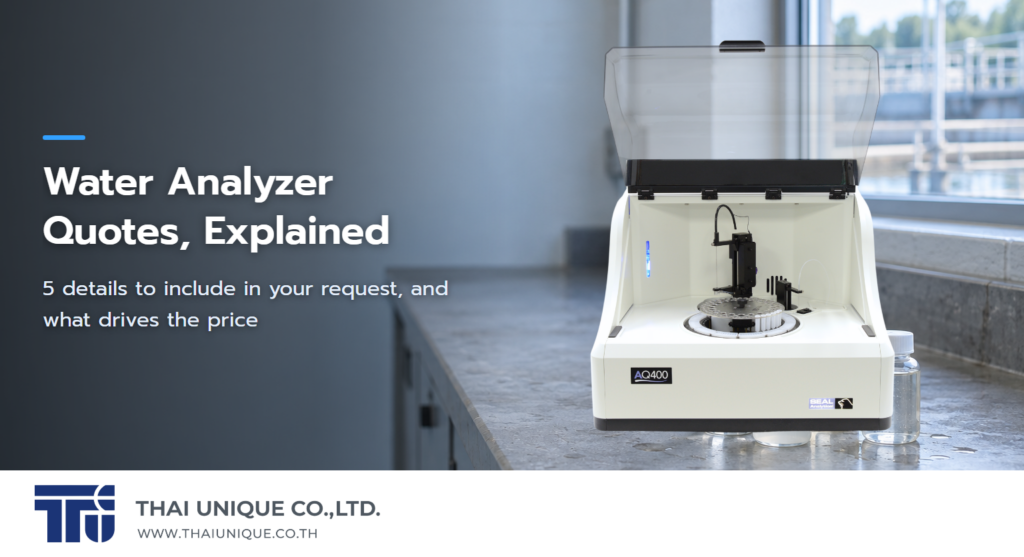
Automated colorimetric water analyzers come in two main families: discrete analyzers, which keep the reaction of each sample separate, and segmented flow analyzers, which move samples in a continuous stream separated by air bubbles. The choice does not depend on the brand. It depends on the number of samples per day, the number of parameters […]
Sample Preparation for Analysis: How to Choose Digestion and Extraction Methods for Consistent Results

Sample preparation shapes the quality of analytical results more than many people think. It splits into two routes, depending on the analyte and the matrix being analyzed. The first route is digestion, for elemental analysis by ICP-OES, ICP-MS or AAS. Closed-vessel microwave digestion gives higher and more uniform temperatures than digestion on a hot plate, […]
What Is Moisture Analysis? Bound Water, Moisture Analyzers vs Oven Drying and Karl Fischer
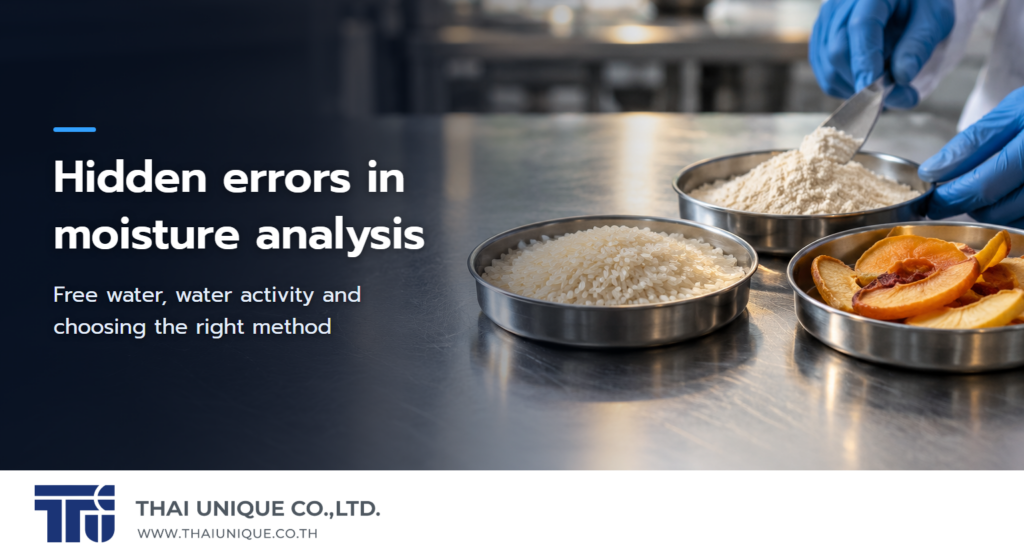
Moisture analysis is the measurement of how much water a sample contains, expressed as a percentage of its weight. The most common approach is to dry the sample and weigh what is lost (loss on drying), either in a drying oven, which is the reference method, or in a moisture analyzer that gives a result […]
Measuring Soil Greenhouse Gases for Agricultural Carbon Credits: Which Instruments Do You Need?
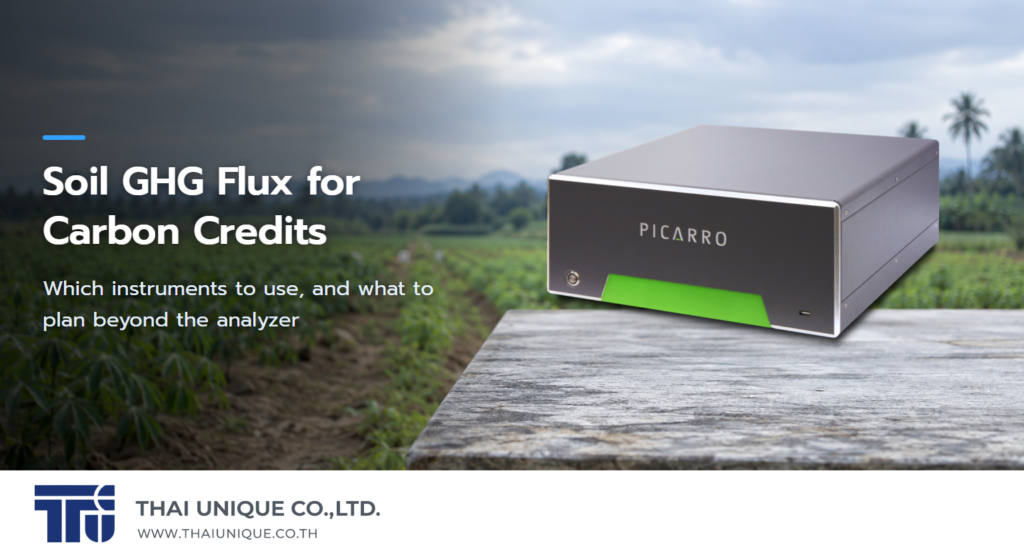
Measuring soil greenhouse gases for agricultural carbon credit projects serves two important purposes that occasional spot sampling cannot. The first is measurement continuity, enough to capture the peaks that follow changes in external conditions, such as after rain or after fertilizer application. The second is the ppb-level precision of continuous measurement data, which can be […]